Living for the Legacy: A Journey Toward True Wellness
We weren’t created just to get through life. We were made to live it with intention. Each day is a chance to build something bigger than ourselves, to pour into the people around us, and to shape a future that outlives us. When we live with purpose, we stop chasing temporary comfort and start investing in lasting impact. Our choices today become the foundation our children and their children will stand on.
Living for something greater than ourselves doesn’t just change our lives. It changes generations.
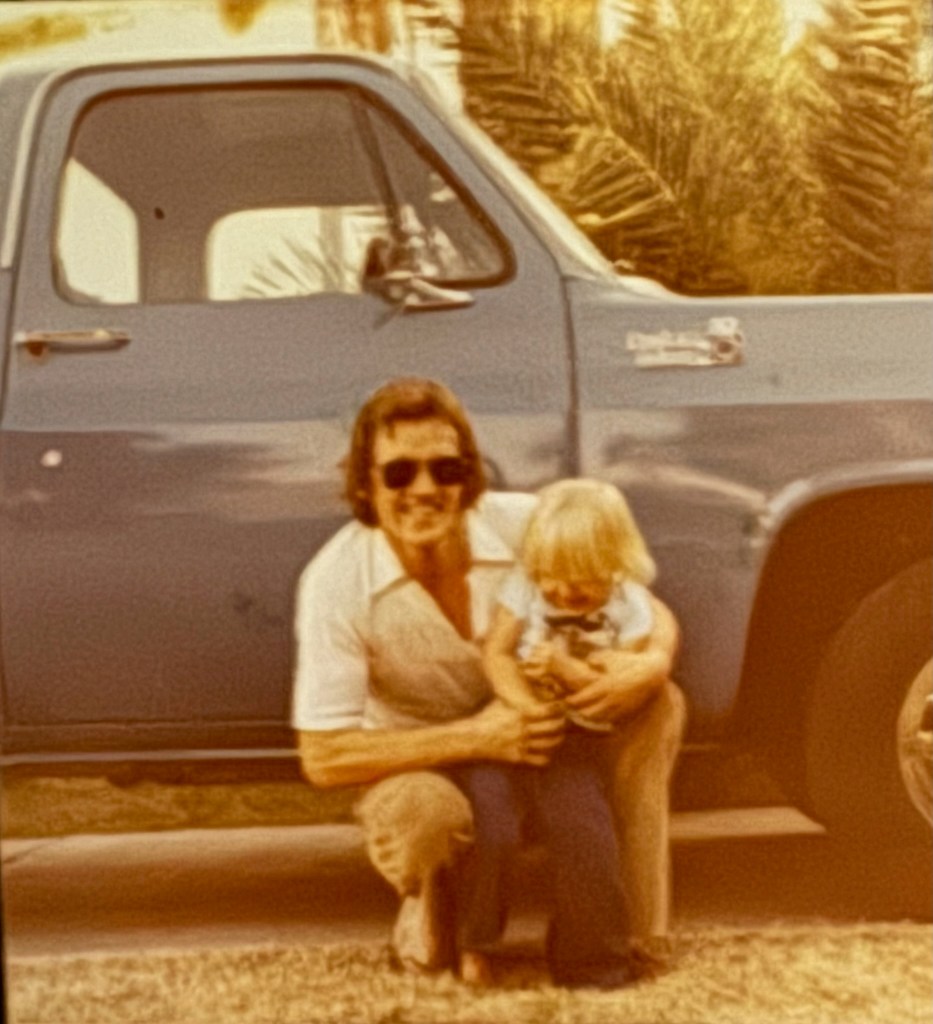
My father’s life and ultimately his death changed everything for me. He died as a result of health issues that built up over years of poor habits, choices, and stress, leading him to take his own life when he gave up. His left this earth when I was only 3 years old, and with that, I lost a father, a teacher, a protector. I carry that grief with me every day, but it’s not just grief. It’s fuel.
“Do you not know that your bodies are temples of the Holy Spirit, who is in you…? Therefore honor God with your bodies.” – 1 Corinthians 6:19-20
It wasn’t just my father who passed away during my youth. My grandfather didn’t live long enough to see the legacy he helped start grow. Most of my aunts, my uncle, and even my grandmother passed too soon, nearly all due to health-related issues (mental and physical). I often wonder what it would be like to call them up for advice, to hear their laughter, to soak up their stories, for them to be in the life of my children.
I wish the generations before me had known what I’m learning now. But their absence has become my awakening. They lived to survive. They didn’t live for the future because they didn’t know how much their daily choices could shape it. Good health wasn’t a priority. Good health wasn’t something they were taught to value or had the resources to fully understand. Their legacies were cut short not because they didn’t love us, but because they didn’t know how deeply their lifestyle would impact their destiny. And in many ways, that shortened the legacy they could have left behind.
“And we know that in all things God works for the good of those who love Him, who have been called according to His purpose.” – Romans 8:28
For over half of my life I wasn’t living healthy either. I didn’t know how. I didn’t understand the cost. I carried stress, ignored my body, and put everyone else first until one day I realized I was heading down the same road.
“The thief comes only to steal and kill and destroy. I came that they may have life and have it abundantly.” – John 10:10
I had to make a choice. Not just to eat better or move more, but to change how I live completely. Wellness to me isn’t just nutrition or fitness. It’s mental, emotional, spiritual. It’s a daily practice of honoring the life God gave me.
What finally shifted everything? The next generation. I want to be here, not just physically, but fully. I want to live long and strong, to inspire, guide, and walk with the children we brought into this world. To break the cycle. To role model for them and their children how to live well from head to toe. I’m working to change the trajectory, not just for me but for them and for the generations that come after them.
“Start children off on the way they should go, and even when they are old they will not turn from it.” – Proverbs 22:6
I wish the generations before me had known what I’m learning now. But their absence has become my awakening. God has carried me through this transformation, giving me not only strength but a fire, a calling to live with purpose. To take care of this body, this mind, this heart. And to help others do the same, especially my children.
My story is still being written. But it’s already different than the ones before me, and that’s the legacy I pray to pass down.
“Do the best you can until you know better. Then when you know better, do better.” Maya Angelou
February 15, 2025 — 60 Pounds Down, a Surgery Behind Me, AND aNew Chapter Ahead
In February of 2025, I hit a major milestone — 60 pounds down, exactly — after five years of hard work. But the journey wasn’t just about finding the right workout or sticking to a meal plan. It took time, trial, and a lot of frustration to figure out what my body actually needed. I went through multiple fitness programs, gyms, doctors, and kept showing up — even when things felt stuck. What I didn’t realize was that part of the struggle wasn’t just about fitness.
I was also battling persistent stomach issues that no routine could fix. It took several tests and specialists to finally get to the root of it — and that changed everything. I thought I was crossing the finish line when I hit my goal and lost my final pound in February. But my body was still telling me something wasn’t right in early 2025.
AND this isn’t just about weight. This journey has tested my health, my mindset, and my ability to keep going when nothing made sense.
I was dealing with symptoms that didn’t add up. No one could give me clear answers, but my body was screaming for help.
I want to share what I’ve learned because someone out there might be going through the same thing and not even realize what’s going on.
Here’s what I was experiencing:
Constant bloating that made me look pregnant after a meal, no matter what I ate. Persistent stomach pain and pressure, especially after meals or working out. A core that felt weak or unstable, no matter how much I trained. Episodes of nausea, indigestion, and even constipation that couldn’t be traced to food alone. An odd, domed shape down the middle of my abdomen when I sat up or strained.
And emotionally? Every time I looked in the mirror, I saw the loose skin and felt stuck between who I was and who I was trying to become.
Eventually, after pushing for more answers, I was diagnosed with a hidden (occult is the medical term) hernia and diastasis recti — a separation in the abdominal muscles that often goes unnoticed but causes serious discomfort, instability, and affects everything from core strength to digestion. It was difficult to find the hernia because it was hidden and that’s why it’s important to push for answers.
Here’s where things took a turn — and where I truly believe things aligned for a reason.
A coworker casually mentioned a plastic surgeon’s name while talking about a totally unrelated procedure she was preparing for. It just so happened to be a name I recognized — he had taken care of a few of my friends in the past.
If I hadn’t heard it, when I got diagnosed with my condition earlier this month, I would’ve gone to a general surgeon and had a standard ventral hernia repair with abdominal muscle repair (which is covered by insurance when it’s part of a hernia correction), and that would’ve been the end of it.
When my coworker mentioned the plastic surgeon’s name, something clicked after I got diagnosed — I realized I should see him instead of a general surgeon so I could address the entire problem, not just patch the medical part.
I ended up going to a plastic surgeon because I wanted the full picture addressed. And I learned something important:
🛑 Insurance doesn’t cover the removal of excess skin — even when it causes real, physical problems.
And that’s unfortunate. Because that skin wasn’t just cosmetic. It was hard to hide under clothes and worst of all — a daily reminder of the unhealthy choices that got me there in the first place.
So I made the decision to pay for that part myself.
In one surgery, I was able to have:
✔️ Hidden hernia repaired
✔️ Abdominal muscle repair
✔️ Belly button repositioned
✔️ Excess skin removed
Same recovery time as a general procedure at a cost to me. But the outcome? Life-changing.
Now I’m healing. I’m resting. I’m eating clean. I’ll return to working out when my body’s ready — because healthy eating and exercise aren’t just part of my life — they are my life and have been for the last 5 years in stages.
The last five years haven’t just been about losing weight — they’ve been about reclaiming my health, step by step. Every challenge, every test, every restartbrought me closer to the root of what my body truly needed. This is a lifestyle built on healing, discipline, and faith — for life, not just for a season.
Looking back, that pain was a blessing in disguise. It led me to answers. It led me to the right surgeon. And it finally let me leave behind the past — both emotionally and physically.
If any of this sounds familiar to you, listen to your body. Push for answers. And know that healing is possible — even if it takes time to get there.
If you’re dealing with a hernia (mine was a ventral hernia) and abdominal muscle separation — especially after major weight loss or pregnancy — I don’t recommend going straight to a general surgeon.
Note: This is just my personal experience, not medical advice.
A general surgeon will address the medical issue, but they won’t focus on the full picture.
Plastic surgeons are trained to repair the function and the appearance of your core, while repairing your muscle and removing the hernia as well.
And that matters. Because this surgery isn’t just about fixing a medical problem that cannot stay unaddressed — it’s about making sure your body reflects the one you’re building, not the one you’re leaving behind.
You’ve worked hard to change your life. You deserve a result that honors that effort — not one that keeps you stuck in a body that doesn’t tell your real story.
And honestly — if you’re going to have the surgery anyway, you might as well do it right. Choosing a plastic surgeon doesn’t add more healing time, but it can completely change how you feel about your body afterward.
You’re not just fixing what’s broken — you’re reclaiming the body you’ve worked for. To every woman out there who’s carried weight, stress, babies, trauma — and still shows up and fights for her health — you deserve to feel strong, whole, and proud in your skin. Don’t just settle for repaired. Go for restored.
The reason I choose to share all of this is simple — because the Bible says to.
In Revelation 12:11, it says, “They overcame him by the blood of the Lamb and by the word of their testimony.” I believe our stories are meant to be told, especially when they can help someone else find healing, hope, or clarity.
If you’re a woman struggling with your health, your body, or just feeling lost in the process — I want to encourage you to surrender it all to God. Let Him guide you to the root of what’s really going on, physically and spiritually. The answers are there. Sometimes it takes faith, patience, and persistence to uncover them — but God doesn’t waste your pain, and He never misses the details.
Below is more detail about the two medical diagnosis I received.
✅ Mine was a small ventral hernia — hidden behind a weak spot in my abdominal wall, making it what’s considered an occult (or hidden) hernia.
This WAS the culprit for stomach pain, nausea, and constipation.
Why?
A hidden hernia involves tissue (like intestines or fat) pushing through a weak spot in the abdominal wall. Even if it’s small or not visibly bulging, it can: Compress or restrict the intestines, leading to pain, bloating, nausea, and constipation. Cause intermittent obstruction of the bowel or trap nerves in the abdominal wall, resulting in chronic or sharp pain. Worsen with physical activity, straining, or heavy meals.
✅ Diastasis Recti (Muscle Separation):
This can contribute to digestive issues, but more indirectly.
Why?
It weakens the abdominal wall and core stability, which can: Slow digestion and reduce internal support, causing bloating or poor gut motility. Make you feel full quickly or chronically uncomfortable. Create that “disconnected” or “unsupported” feeling in the stomach area. It doesn’t usually cause nausea or constipation on its own, but it can amplify symptoms if other issues (like a hernia) are present, like in my case.
⚠️ Why it’s often hidden:
With diastasis recti, the abdominal wall is stretched, so pressure is distributed, and the hernia may not form a noticeable lump. Symptoms may show up instead — like bloating, pain, nausea, or core weakness — making it easy to miss without imaging.
“The Lord will guide you always; He will satisfy your needs… You will be like a well-watered garden, like a spring whose waters never fail.” — Isaiah 58:11 (NIV)
This journey has stretched me — physically, emotionally, and spiritually. But through every setback, every unanswered symptom, every moment of confusion, God was guiding me. He didn’t just lead me to healing — He led me to understanding.
And now, I share my story in obedience. Because I believe God uses our struggles to point others to hope.
If you’re walking through your own storm, surrender it to Him. He knows the root. He holds the answers. And when you let Him lead, He won’t just patch you up — He’ll restore you completely.
Also, check out the full list of my recommended essentials—trust me, there are things on there you probably haven’t thought of! And if you’ve got tips of your own, I’d love for you to drop them in the blog comments for the benefit of the community of women going through this procedure!
The Autoimmune Protocol (AIP) Diet is designed to help reduce inflammation and support healing by eliminating foods that may trigger immune responses. However, everyone’s body is different, and if you’re determined to try it, you should experiment with the do’s and don’ts to see what combination works best for you. This is about finding what fuels your body, NOT just following strict rules.
The Do’s and Don’ts of the AIP Diet: Finding What Works for You
The Autoimmune Protocol (AIP) Diet is a tool designed to help reduce inflammation, heal the gut, and support immune system balance. However, it’s not a one-size-fits-all solution. If you’re determined to try it, you should experiment with the do’s and don’ts to find what works best for your body. Everyone reacts differently, and it’s important to listen to your body throughout the process.
The Do’s of the AIP Diet
✅ Eat Nutrient-Dense Foods: Focus on whole, unprocessed foods that nourish the body, such as grass-fed meats, wild-caught fish, organ meats, and a variety of vegetables.
✅ Prioritize Gut Health: Include gut-healing foods like bone broth, fermented vegetables, and coconut products to support digestion and reduce inflammation.
✅ Choose Anti-Inflammatory Foods: Load up on leafy greens, cruciferous vegetables (like broccoli and cauliflower), healthy fats (avocado, olive oil, coconut oil), and fresh herbs like turmeric and ginger.
✅ Stay Hydrated: Drink plenty of water to support digestion, flush toxins, and keep energy levels stable.
✅ Listen to Your Body: Pay attention to how you feel after eating certain foods. The elimination phase is about discovering what helps or hurts your body.
✅ Manage Stress: Stress can be just as inflammatory as food. Prioritize rest, prayer, meditation, or activities that help calm your nervous system.
✅ Get Enough Sleep: Your body heals during sleep, so aim for at least 7–9 hours of quality rest each night.
The Don’ts of the AIP Diet
❌ Don’t Expect Instant Results: Healing takes time. Some people feel better in weeks, while others take months to see changes. Be patient with yourself.
❌ Don’t Ignore Your Symptoms: If a food on the “approved” list makes you feel unwell, it may not be right for your body. Keep track of reactions and adjust as needed.
❌ Don’t Overlook Nutrient Deficiencies: If you’re feeling weak, dizzy, or overly fatigued, you may need to adjust your intake of certain nutrients like iron, magnesium, or B vitamins.
❌ Don’t Compare Your Journey to Others: Everyone’s healing process is unique. What works for one person might not work for another.
❌ Don’t Neglect Your Mental Health: Restrictive eating can be stressful. Make sure you’re approaching this diet in a way that feels sustainable and supportive, not overwhelming.
❌ Do Not Drink Alcohol – Alcohol can increase inflammation, disrupt gut health, and impair immune function. Eliminating it can help your body heal more effectively.
❌ Do Not Eat Grains & Gluten – Wheat, rice, oats, corn, and other grains can contribute to gut irritation and autoimmune flare-ups.
❌ Do Not Consume Dairy – Milk, cheese, yogurt, and butter can trigger inflammation and digestive issues, especially for those with autoimmune conditions.
❌ Do Not Eat Legumes – Beans, lentils, peanuts, and soy contain compounds that may irritate the gut lining and contribute to immune dysfunction.
❌ Do Not Eat Nightshade Vegetables – Tomatoes, potatoes, eggplants, and peppers can cause inflammation in some people with autoimmune issues.
❌ Do Not Eat Nuts & Seeds – Almonds, peanuts, flaxseeds, chia seeds, and other nuts/seeds may be difficult to digest and can trigger immune responses.
❌ Do Not Eat Eggs – While eggs are a great source of protein, they can be inflammatory for some people during the elimination phase.
❌ Do Not Consume Processed Foods – Avoid packaged, artificial, and highly processed foods with preservatives, additives, and unhealthy oils.
❌ Do Not Eat Refined Sugar & Sweeteners – Processed sugars can spike inflammation and disrupt blood sugar balance, affecting overall health.
❌ Do Not Rely on “AIP-Approved” Foods Without Listening to Your Body – Just because a food is technically allowed doesn’t mean it works for you. Pay attention to how your body responds and adjust accordingly.
❌ Do Not Ignore Stress & Sleep – Healing isn’t just about food. Managing stress and getting quality sleep are just as important as what you eat.
❌ Do Not Expect Overnight Results – Healing takes time. Stick with it, be patient, and adjust based on your body’s needs.
❌ Do Not Follow AIP Without Consulting Your Doctor if You Have Other Autoimmune Conditions – If you have conditions like diabetes, lupus, or any other medical concerns, check with your doctor before making dietary changes. Your health is unique, and you need a plan that’s safe and effective for you.
This list is a guide, but remember—everyone’s body is different. Finding what works for you is key to making AIP a sustainable lifestyle!
Final Thoughts
The AIP diet is not about perfection—it’s about finding what works for you. By focusing on nutrient-dense foods, listening to your body, and making adjustments as needed, you can create a plan that supports your health in a way that’s sustainable. Healing isn’t a straight path, but every step forward is progress.
What’s been your experience with AIP? Have you found certain foods that work better for you? Let’s share and support each other on this journey!
Yesterday, we headed out for a beautiful day of hiking and exploring. The sun was shining, the scenery breathtaking—but about halfway through the day, the familiar wave of exhaustion that comes with Hashimoto’s thyroiditis began to hit me. I could feel myself slowing down, my body heavy, my steps more labored. By the time we finished, the fatigue was overwhelming.
On our drive home, I couldn’t keep my eyes open—I had to sleep. After resting, I felt better, though my movements and thoughts were slower than usual throughout the evening. This isn’t uncommon for me. Whether it’s a day of hiking or an intense workout, I know I’ll face significant fatigue afterward. But here’s the thing: I refuse to let Hashimoto’s stop me from living fully. I get up, push through, and keep moving forward.
The fatigue isn’t just “feeling tired.” It’s an intense, systemic exhaustion rooted deeply in how my body functions due to this autoimmune condition. My thyroid is under attack, causing low hormone production, slowed metabolism, chronic inflammation, and reduced cellular energy production. All of this contributes to the extreme fatigue I experience.
Managing this fatigue means my recovery is different—not worse, just different. I’ve learned to listen closely to my body, knowing when to rest and recover.
A crucial part of managing this is through diet. Eating healthier, choosing anti-inflammatory foods, and being mindful of nutrition helps me regulate my body’s response.
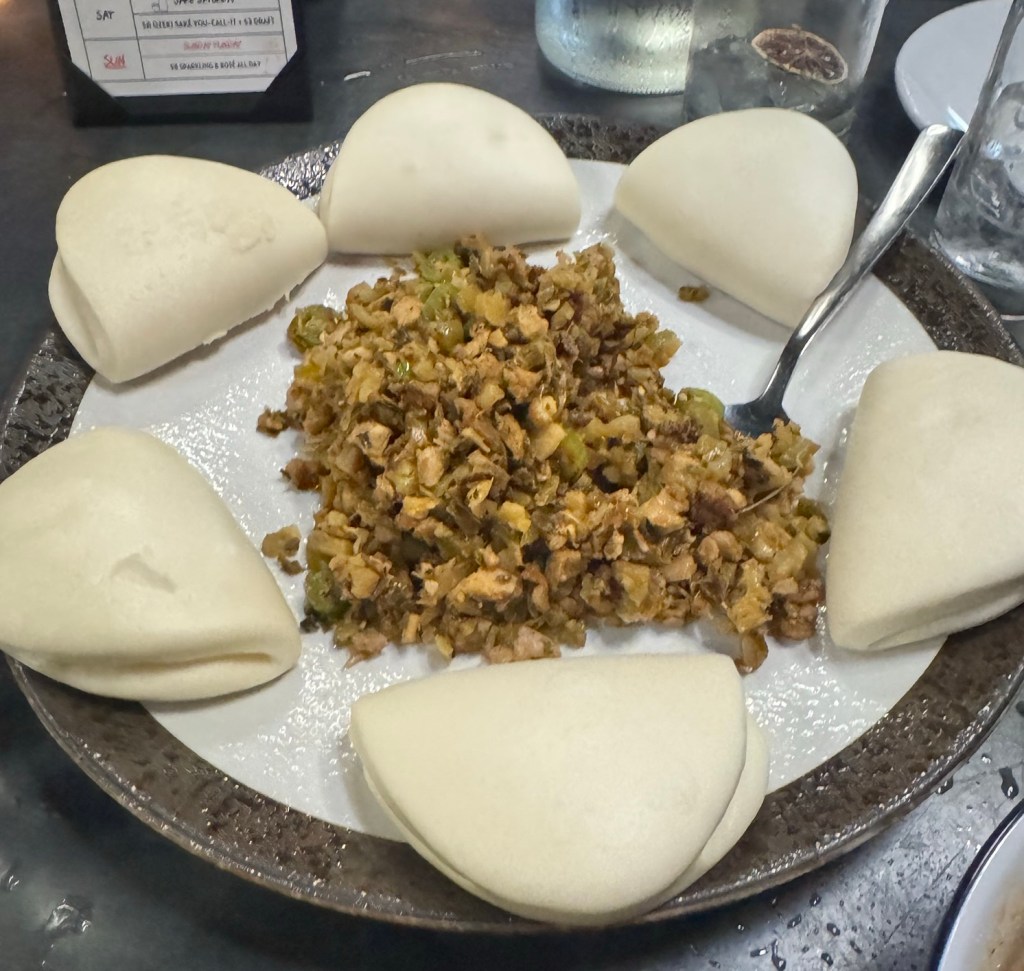
MY favorite dish, but with caution because steamed buns have gluten and that is on the do not eat list!
Read my post about AIP diets.
If I eat something that’s not on the list, I just have to accept that I won’t feel my best afterward, and if I do it too often, it will keep me from reaching remission. My body reacts differently now, and I have to be mindful of that. But in my humble opinion, cheating is just fine once in a while—life is meant to be enjoyed, and sometimes that means indulging. The key is balance, knowing when it’s worth it, and making sure those choices don’t become habits that set me back.
My current TPO antibody number is 392, reflecting where I am on this journey. I’ll be updating this number as I work towards remission and healthier days ahead.
I’m committed to not only pushing myself physically but also improving how I nourish my body. Stay tuned—I’ll be sharing more soon on how dietary changes are helping me manage Hashimoto’s and reduce inflammation.
Thank you for joining me on this journey. Your support means everything.
Elevating People
My hope is to elevate people navigating Hashimoto’s and autoimmune challenges by sharing my journey with honesty, resilience, and hope. Through personal experiences, education, and practical strategies, I aim to normalize the need for rest, encourage perseverance, and show that recovery isn’t a setback—it’s just different. By fostering a supportive community, I strive to empower others to take control of their health, embrace their unique healing process, and live fully despite the challenges they face.
A cross stands against a sunrise sky, symbolizing hope and new beginnings. In the Bible, the number 8 represents a new beginning, often linked to a brighter future and a new life . This symbolism continues to give me hope as I reflect on 2017 (8 years ago), when I decided to end the struggle with my weight and poor health. In 2017, I had gained 53.2 pounds over a period of 5-years —a physical burden that mirrored the emotional and spiritual heaviness I felt.
Losing Myself: Weight Gain and Hashimoto’s
Several years ago, I was diagnosed with Hashimoto’s thyroiditis, an autoimmune disease that wreaked havoc on my body. The condition sapped my energy and caused classic thyroid-related symptoms like constant fatigue and weight gain . Over several years, pound after pound crept on despite my efforts, totaling 53.2 extra pounds through 2017. 2017 marked the year I awakened to a new beginning.
A Story of a Rapid Ride from 2012-2017
As a dedicated runner, I found myself sidelined—unable to keep up the miles that used to bring me joy. Losing the ability to run in 2012, I felt like I was losing a core part of my identity, and I struggled with a sense of grief and confusion over who I was becoming.
A Transformation Journey Begins
Eventually, I reached a turning point. Tired of feeling trapped in a body and life that didn’t feel like “me,” I resolved to make a change. I initially focused on external goals: eat better, exercise more, lose the weight, and become a runner again. This journey started as a personal mission to reclaim the healthier, fitter self I once was.
But as I began making changes, something deeper started to happen. In the quiet moments of prayer and reflection, I sensed God drawing my attention not just to my physical state, but to my heart. I gradually realized that the true transformation I needed was inside-out. My worth was never meant to come from the number on a scale or the titles I carried (even meaningful ones to me like “runner”). I discovered that the most important identity I have is the one given by God Himself.
Identity in God: Changing Everything
Embracing my identity in God changed every aspect of my life. When I started seeing myself through His eyes and not through the lens of my illness or former hobbies, a ripple effect of positive change followed. It wasn’t just about weight or running anymore—it was about who I am in Christ, and that changed how I approached everything:
• Self-Love: Instead of beating myself up, I learned to love myself as God loves me, recognizing that I am fearfully and wonderfully made.
• Marriage: With my identity secure in God’s love, I became a more loving and caring spouse, bringing more kindness and understanding into my marriage
• Parenting: I began to parent from a place of faith and grace, modeling resilience and hope to my children and teaching them to find their identity in God too.
• Work: I started viewing my work as part of my calling. I approached my job with integrity and purpose, working “as unto the Lord” and finding new meaning in everyday tasks.
• Health: I learned to treat my body as a temple of the Holy Spirit. Eating well and staying active became acts of stewardship and worship rather than just tactics to lose weight, making healthy habits easier to maintain.
Other People’s Forgiveness
As we walk the path of redemption and renewal, it’s also time to reflect on the relationships in our lives—the ones that endured our struggles and the ones that could not withstand who we once were. I’ve learned that not everyone will embrace the person I am becoming, and that’s okay. Some people preferred the version of me that was unhealthy, lost, and living selfishly. Others longed for the version of me before I fell into that darkness, unable to forgive the years I spent wandering. Even though I had been redeemed and transformed, they continued to treat me as if I was still that same broken person, unwilling to see the work God had done in me. But even in that, I’ve had to accept that their forgiveness for my behaviors when I was a wanderer is not my responsibility. The only forgiveness that truly matters is God’s, and the only people I want in my life now are those who believe that if His GEACE is enough to forgive, then they too should choose GRACE. I mourn one specific relationship that was lost, but I stand firm in the promise of Joel 2:25—that God will restore the years that have been taken. I trust that, in His perfect time, reconciliation will come, just as He has already begun to restore so much of what was broken.
Consistency, Trust, and Restoration
A silhouette runs along the shore at sunrise, symbolizing a return of health and passion. Once I put God at the center, I learned the value of consistency and trust. Instead of chasing quick fixes or getting discouraged by slow progress, I committed to steady, faithful habits—daily prayer, better food choices, regular gentle exercise, surrounding myself with a like-minded community—and trusted God with the results. In time, those 53.2 pounds began to come off, and my strength and energy started to return. More importantly, God was restoring things I thought were gone forever: my confidence, my joy, and yes, even my love for a different flavor of exercise. Running now done with a grateful heart, not as a measure of my worth, became a distant memory. I embraced my new form of exercise and went all in!
I experienced the truth of Joel 2:25, where God promises, “I will restore to you the years that the swarming locust has eaten” . He truly redeemed those lost years of decline by not only improving my health, but also deepening my faith and healing the inner wounds that had accumulated.
Encouragement for True Transformation
My journey taught me that real transformation is about so much more than a number on the scale or achieving a personal goal. It’s about a heart changed by God’s love and a life redefined by His truth. If you’re facing setbacks or feeling like you’ve lost yourself, I encourage you to seek your identity in God above all else. He is the God of new beginnings, and in Him you can become a new creation with a hope and purpose that transcend any circumstance. When you know who you are in God, it changes everything—and that change will overflow into every area of your life, bringing restoration and true transformation.
Welcome to My Journey: Fitness, Health, and Redemption in Your 50s
Did You Know? | Hashimoto’s Series: Part 1
Did you know that because Hashimoto’s causes extreme fatigue, many experts recommend only low-impact exercises like Pilates, yoga, and walking? While that advice can be helpful for some, I’ve personally gone against it.
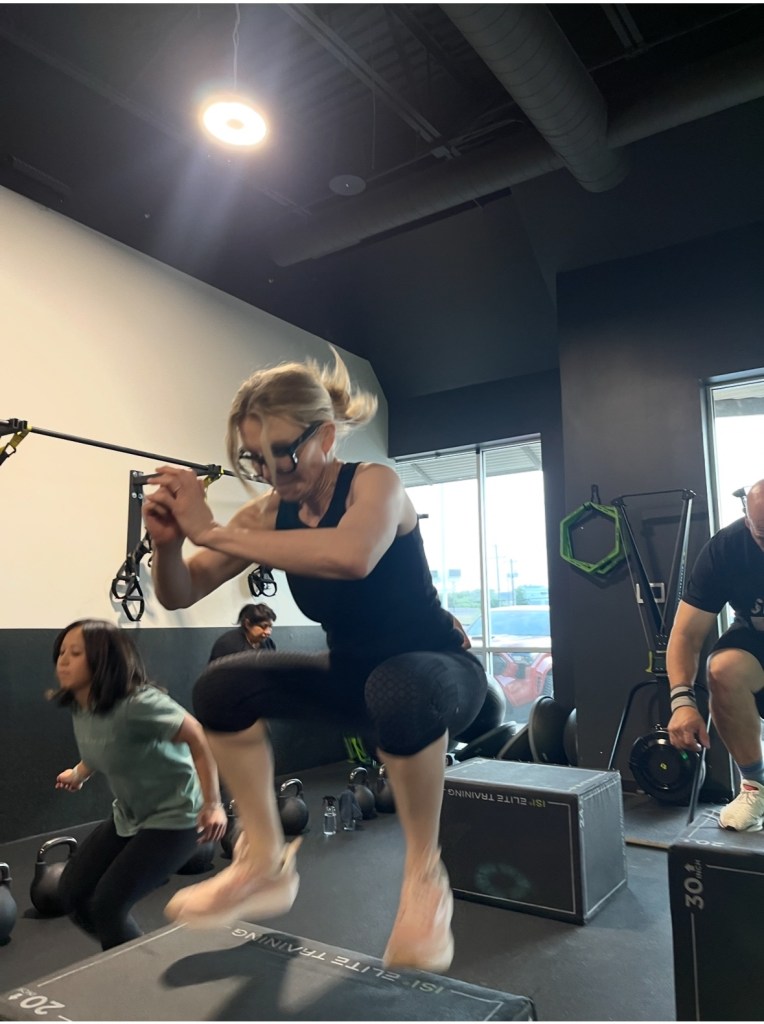
Yes, I do feel the fatigue at times, and there are days when I have to push through it. Sometimes, I experience extended fatigue after intense workouts, and when that happens, I make adjustments. But 90% of the time, I can keep up just fine.
Don’t let Hashimoto’s label you or make you feel like you can’t do something. If you know me, you know that telling me I can’t do something only makes me more determined to do it.
I’m passionate about this because exercise and diet have been the keys to my health transformation from 2017 to now. Your body is stronger than you think—don’t let a diagnosis define your limits!
 Elevating Health, Inspiring Balance